
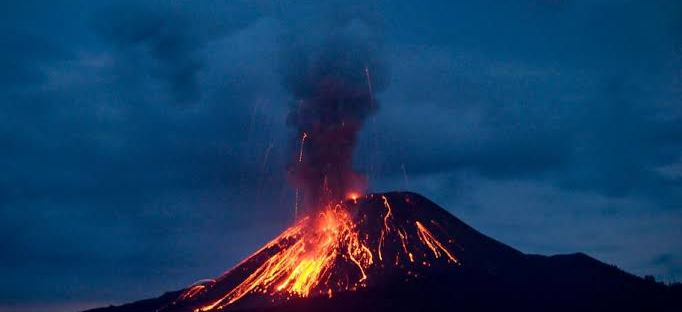
1. Faith the size of a mustard seed moving a mountain
Matthew 17:20 “He replied, ‘Because you have so little faith. Truly I tell you, if you have faith as small as a mustard seed, you can say to this mountain, “Move from here to there,” and it will move. Nothing will be impossible for you.'”
2. Moving a mountain into the sea
Mark 11:23 “Truly I tell you, if anyone says to this mountain, ‘Be lifted up and thrown into the sea,’ and does not doubt in their heart but believes that what they say will happen, it will be done for them.”
Matthew 21:21 “Jesus replied, ‘Truly I tell you, if you have faith and do not doubt… even if you say to this mountain, “Be lifted up and thrown into the sea,” it will happen.‘”
3. Faith like a mustard seed moving something into the sea
Luke 17:6 “He replied, ‘If you have faith as small as a mustard seed, you can say to this mulberry tree, “Be uprooted and planted in the sea,” and it will obey you.'”
Summary
- Matthew 17:20 “faith the size of a mustard seed… tell a mountain to move”.
- Mark 11:23 & Matthew 21:21 give you the specific imagery of moving a mountain “into the sea”.
The cataclysmic 1883 eruption of Krakatoa (located in the Sunda Strait between Java and Sumatra) remains one of the deadliest and most powerful volcanic events in modern history. Krakatoa, holds the distinction for the loudest sound ever recorded in history. Because its mountain collapsed into the sea, it displaced massive amounts of water, generating catastrophic tsunamis across the Indian Ocean.
Rated a 6 on the Volcanic Explosivity Index (VEI-6), its violent climax destroyed over 70% of the island and triggered global environmental shifts.
Timeline of the 1883 Cataclysm
Initial Activity Begins
May 19 – August 25, 1883
Venting began on the volcanic peak Perboewatan. Eruptions intensified over summer, launching ash plumes over 6 miles into the air and generating continuous earthquakes.
The Paroxysmal Phase
August 26, 1883
At 1:00 PM, the volcano entered its most violent state. By 2:00 PM, a black plume of ash reached 17 miles (27 km) into the stratosphere, blocking out the sun.
The Peak Explosions
August 27, 1883
A series of four gigantic explosions occurred between 5:30 AM and 10:02 AM. The 10:02 AM blast collapsed the island into its magma chamber, generating colossal tsunamis up to 135 feet (41 meters) high.
Global Environmental Aftermath
1883 – 1888
Aerosols spread worldwide. The planet experienced vibrant blood-red sunsets and a global temperature reduction of ~1.2°C (~2.2°F) that lasted for several years.
Notable Impacts & Phenomena
- Loudest Sound in Recorded History: The 10:02 AM detonation was heard nearly 3,000 miles (4,800 km) away in Perth, Australia, and the island of Rodrigues near Mauritius. Sailors 40 miles away suffered ruptured eardrums.
- Atmospheric Pressure Waves: The acoustic shock-wave was so immense that barographs recorded it circling the entire globe seven times over five days.
- Devastating Casualties: Over 36,000 people lost their lives, predominantly from the massive tsunamis and scorching pyroclastic flows that swept across coastal Java and Sumatra.
- Lurid “Blood-Red” Sunsets: Fine ash and sulphur particles trapped in the stratosphere scattered sunlight, creating vivid, electric sunsets worldwide for months—inspiring artists and scientists alike.
Modern Legacy: Anak Krakatau
In 1927, new volcanic activity emerged from the caldera created during the 1883 collapse. A new island volcano named Anak Krakatau (“Child of Krakatoa”) broke the water’s surface. It remains highly active today, famously causing a major lateral collapse and deadly tsunami in December 2018.
While the 1883 Krakatoa eruption is more widely recognised in modern culture, the 1815 Mount Tambora eruption was significantly larger, far more destructive, and significantly deadliest in recorded human history.
Direct Comparison
| Metric | 1815 Mount Tambora | 1883 Krakatoa |
| Location | Sumbawa, Indonesia | Sunda Strait, Indonesia |
| Volcanic Explosivity Index (VEI) | VEI 7 (Super-colossal) | VEI 6 (Colossal) |
| Ejecta Volume | ~100–160 km³ | ~20–45 km³ |
| Direct Death Toll | ~10,000–11,000 (pyroclastic flows/ash) | ~36,400+ (primarily tsunamis) |
| Total Death Toll | 71,000 – 100,000+ (famine/disease) | ~36,400 – 40,000 |
| Climate Impact | Severe: “Year Without a Summer” (1816) | Moderate: ~0.5°C cooling & vivid sunsets |
| Primary Lethal Hazard | Pyroclastic flows & post-eruption famine | Massive tsunamis (up to 135 ft high) |
Key Differences
1. Scale & Power
- Tambora was roughly 4 to 10 times more powerful than Krakatoa. As a VEI-7 eruption, it spewed over 100 cubic kilometres of gas, rock, and ash—ejecta volumes far exceeding Krakatoa’s ~25–45 cubic kilometres.
- Krakatoa, while smaller in volume, holds the distinction for the loudest sound ever recorded in history. Because its mountain collapsed into the sea, it displaced massive amounts of water, generating catastrophic tsunamis across the Indian Ocean.
2. Death Toll & Human Toll
- Tambora (1815): Directly killed roughly 10,000 inhabitants on Sumbawa. However, the vast majority of its estimated 71,000 to 100,000+ casualties died from the post-eruption collapse of local agriculture, leading to widespread famine and epidemic diseases across Sumbawa, Lombok, and Bali.
- Krakatoa (1883): Most of the 36,000+ fatalities were caused instantly or within hours by giant 120+ foot tsunamis crashing into coastal Java and Sumatra, alongside scorching pyroclastic flows travelling across the ocean surface.
3. Global Climate & Environmental Aftermath
- Tambora disrupted global weather so severely that 1816 became known as the “Year Without a Summer”. Snow fell in New England in June, global crop yields collapsed, and resulting famines indirectly claimed tens of thousands of lives across Asia, Europe, and North America.
- Krakatoa caused a milder global cooling effect (~0.5°C) and injected aerosol sulphur into the stratosphere. Its climate impact was noticeable mainly as vibrant, lurid “blood-red” sunsets worldwide for several years rather than continent-wide famine.
Why is Krakatoa often more famous?
By 1883, transoceanic underwater telegraph cables and global news networks had been established. News of Krakatoa’s destruction was telegraphed around the globe almost instantly, making it the world’s first modern real-time news event. In contrast, in 1815, news of Tambora travelled slowly by ship over weeks and months, leaving its global impact poorly understood until much later.
Having faith the size of a mustard seed, one should pause before telling a mountain to move into the sea, because one should ask the question why do you want the mountain to move into the sea (is the mountain standing in your way? If so, is the best solution to tell it to move into the sea), and most important of all, have you thought about all the consequences of the mountain moving into the sea, such as death, destruction, and collateral damage to others. Of course Jesus Christ could be speaking metaphorically or literally or both, which depends on whether you have faith or not. If you do not have faith, it is a moot point, be it metaphor and or literal. If only those alive during the Tambora and or the Krakatoa episode had been asked if they had faith, and had asked the mountain to move into the sea. I suppose we will never know.


