Blog

When Hell Showed up at Calvary

That sounds kind of strange doesn’t it? I think it is because we have characterized God as only love. Yes, God is love and He demonstrated that love by sending Jesus and by Jesus dying on the cross for our sins. But Calvary is more about the wrath of God. The love of God can only be poured out when God’s Holy wrath for sin is satisfied. For 3 hours we see and hear the depravity of man at his worst

Wouldn’t you except God to be angry with those who are mocking, blaspheming, spitting, beating, scourging and killing His Son by the cruelest method of death, crucifixion. Wouldn’t you expect Jesus to cry out to His Father and ask for Divine judgment? Or the Father, sending fire from heaven to incinerate these murderous, evil doers or opening the earth and swallowing them alive into hell?

What man did to Christ is unthinkable

What God did to Christ is unimaginable – incomprehensible!

For the next 3 hours man is silent, but God shows up at Calvary and speaks loudly and supernaturally in the silence of darkness. God now comes in the full fury of His Holy Wrath. Surprisingly it is poured out on the innocent one, the sinless One, His Beloved Son and not the murderous blasphemers who are deserving of His anger. Calvary now becomes the saving event that was determined in eternity past.

Jesus was crucified at 9:00 on Friday morning of Passover week. For the first three hours, the people, the rulers and the soldiers and even the criminals dominated the scene by blasphemy, ridicule, sneering, scorn, abuse, mockery, spitting, beating, scourging and crucifixion.

At high noon, the sun at its apex in the middle of the sky, blazing brightness; instantaneously pitch blackness. The sun goes out; there’s no moon, there are no stars. A supernatural blackness that can be felt. Can you imagine the indescribable terror and shock of that moment?

In the middle of the greatest sin ever committed or ever could be committed all of a sudden, in an eerie, frightening, panicking, horrifying without warning the world goes pitch black. The darkness engulfed the entire nation perhaps the whole world!

What caused this supernatural blackness? God is the only answer for this instantaneous, total blackness where they couldn’t see their hand in front of their faces, a darkness that froze them on the spot, there is no light, there is no movement of anyone for 3 long solid hours!

How would the Jews view this? How should we view this? The people of Israel would well know that the presence of God could be associated with supernatural, inexplicable pitch-black darkness.

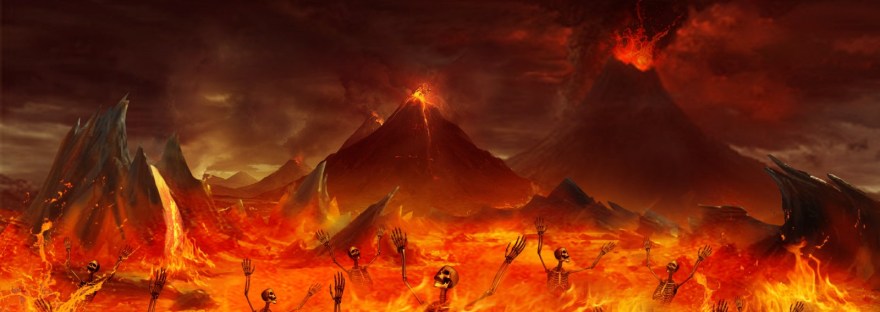
Darkness can symbolize divine wrath. It is the divine presence in judgment. God arrived at Calvary – not in light, but in darkness. The fury of God’s wrath goes way beyond the physical suffering, it’s the suffering of hell itself.

Divine eternal wrath is being poured out in its final form. God brought hell to Jerusalem on that day of “outer darkness,” where there is unrelieved, unmitigated weeping, wailing and gnashing of teeth in the eternal, blackness. God showed up in wrath, and what bogglers the mind is it wasn’t wrath poured out on the Romans, or the Jewish leaders, or on the people; it was wrath of God on the Son, His Son. God unleashed the full extent of His fury on Jesus Christ. God, who is the punisher of all the souls in eternal hell, shows up in the darkness of Calvary to punish His Son, and His Son suffers an eternal hell on behalf of all who would ever believe.

Yes, Hell has come to Calvary. In those 3 hours, our Savior suffers the full cup of the fury of His Father’s wrath, His Holy anger against sin. Jesus cries out in the terror and horror of this divine judgment. He is suffering hell in our place. Jesus is being punished for all the sins, every word, even every idle word, every thought, every action that has been committed by those He came to save. Since Hell is an eternal place of suffering, than Jesus must suffer an eternal hell in our place. How can an eternal hell be compressed into 3 hours? Jesus who is God & being infinite can therefore suffer an eternal penalty.

As Jesus cries out, “My God, My God, why have you forsaken me” He is suffering the Hell of eternal punishment. As He suffers in unspeakable pain, can you hear the Father say, because of His Son’s loving obedience, “If ever I loved thee, My Jesus, it is now”

At the end of the 3 hours, God’s eternal punishment of hell is done. When this darkness instantaneously fled, so did God ‘s wrath. The wrath of God in our salvation in has been accomplished; therefore, He can now pour out His love on those He came to save.

Jesus speaks, “It is finished” and “into Your hands I commit My spirit.” Sin has been atoned for, God’s wrath has been satisfied, the love of God in our salvation has been perfectly, forever accomplished for all those who believe in Jesus Christ as their God and Savior.

This is a reminder to all unrepentant sinners that hell is the full fury of God’s personal presence in punishment. God will never be there to comfort, to show any sympathy or mercy, He will never bring any relief. Jesus endured the fullness of hell; both its punishment of God and the absence of any comfort or relief. This is hell, the hell that came to Calvary that day in all its fury and fullness.

All that awaits now is the resurrection, the proof that Jesus is God, God Holiness has been satisfied, God can now forgive sinners because Christ has died for sinners.

Jesus Christ endured the Cross despising the shame to forever show us –

“this is the Love of God, in while we were yet sinners Christ died for us as a satisfaction for our sins!”

It’s Friday… But Sunday’s a Coming!

(Reference: https://web.facebook.com/groups/1006474249439617/permalink/2847546725332351/)
Grave – Tomb – Hell – Sheol – Christ

In religion and folklore, Hell is an afterlife location in which evil souls are subjected to punitive suffering, often torture as eternal punishment after death.

Hell is existence in body and or soul without God, according to Mathew 10:28 Do not be afraid of those who kill the body but cannot kill the soul. Rather, be afraid of the One who can destroy both soul and body in hell. Death is separation from God. The wages of sin is death, which is found in Roman 6:23; For the wages of sin is death, but the gift of God is eternal life in Christ Jesus our Lord. Sin separates us from God. Hell, or grave is referred to as “sheol” in the new testament. Grave is the place of the dead, God is a God of the living, Christ explained this in Luke 20:35-38; But those who are considered worthy of taking part in the age to come and in the resurrection from the dead will neither marry nor be given in marriage, 36 and they can no longer die; for they are like the angels. They are God’s children, since they are children of the resurrection. 37 But in the account of the burning bush, even Moses showed that the dead rise, for he calls the Lord ‘the God of Abraham, and the God of Isaac, and the God of Jacob.’ 38 He is not the God of the dead, but of the living, for to him all are alive.”

Therefore, the grave is a place for those who are separated from God. The word “sheol” is used in the Scriptures, in the new testament, represents or carries the meaning therefore of Hell or the place of the dead, grave. Which stands for a place without God. The place where our Lord Jesus Christ went to after he was crucified, to set the captives free, which He did. This gives us an insight to one of His statements on the cross Mark 15:34, when He said “Eloi, Eloi, lema sabachthani?” (which means “My God, my God, why have you forsaken me?”), probably indicating His being separated from God the Father (signifying His being in hell). After which He rose on the third day, on Easter Sunday.

Spiritual gifts, motives and purposes

In a recent discussion with a fellow Christian, the conversation was steered in the direction of spiritual gifts, and certain questions arose during the conversation, these are:

  1. Do we want spiritual gifts?
  2. What are our motives for desiring them?
  3. What do we want to do with them?

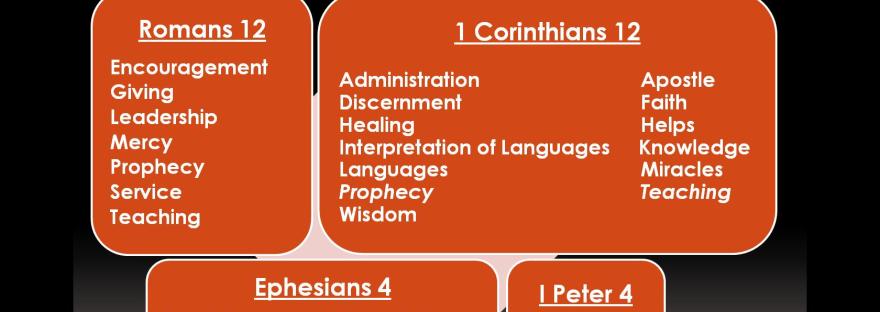
Some Christians would reply yes to the first question, and some of them would maintain that they already possess spiritual gifts. What are spiritual gifts? A search of the Scriptures supplies answers to this question. In the book of Isaiah, chapter 11 renders what is interpreted to be seven spiritual gifts, namely, wisdom, understanding, counsel, fortitude, knowledge, piety, and fear of the Lord. Furthermore, in 1 Corinthians chapter 12, we have; Word of wisdom, Word of knowledge, Faith Gifts of healings, Miracles, Prophecy, Distinguishing between spirits, Tongues, and Interpretation of tongues. So far so good, we now know what spiritual gifts are, we Christians can answer the question of whether we want spiritual gifts or not and whether some of us possess them already or not. The above list is however missing the most important spiritual gift of all, which is Love, love is the greatest spiritual gift to have. So now faith, hope, and love abide, these three; but the greatest of these is love. This verse has sadly been taken out of context so often and has been hijacked by popular culture. It is frequently posted on social media pages. There is a reason why this gift is not listed with the popularly recognized spiritual gifts, the reason being that it is regularly overlooked and by most, not considered a spiritual gift. In an overheard discussion between a Christian mother and her teenage daughter, the daughter expressed an unfettered desire to possess the spiritual gift of prophecy. Several Christian religious denominations recognise and organize their organization on the basis of spiritual gifts, while the writer does not possess absolute knowledge of the organization of all religious organizations, however it seems, none has a department dedicated to the spiritual gift of love. But them, this may stem from our understanding of the concept of the spiritual gift of love.

The answer to the second question always gives an indication to the answer of the third question. And the third question is really about, Purpose. Easter is about the purpose of Jesus Christ. Salvation, there is only one purpose that interests God, that is saving mankind. A selfless purpose. Any Christian that answers the third question in a way that differs from this, needs to grow spiritually. This brings to my mind the name of a Christian religious organization in southwest Nigeria; “God will do it”, and I wonder at the spiritual development of the founders of the organization. God has done it over two thousand years ago. It is finished, done and dusted. That is why we celebrate Easter every year. The only, and one time sacrifice for our sin, has been done by God Himself. He Himself had paid the price for our sin, talk about selflessness, gave the life of His only Son, well gave Himself, to ransom us from Death.

The greatest spiritual gift is love, the perfect love of God is Christ Jesus, and when you have Christ in your life, you have the greatest gift of all, you have all the gifts rolled into one Super Gift. However, you are not one who chooses the gift, and no amount of desiring, results in the possession of any gift. It is the Giver, who chooses who He gives a gift or the Gift to. In commemoration of the anniversary of the completion of the greatest gift of all-time in mankind’s’ history, the crucifixion and resurrection of our Lord Jesus Christ, the greatest gift of God to mankind, thank You, Heavenly Father. Happy Easter to my fellow brothers and sisters.

Lessons from the book of Job in times of plague such as corona virus

What do we know about the book of Job

The Book of Job is ultimately about the value of God in the midst of pain and suffering. The first two chapters present a series of descriptions and dialogue about a man named Job through the lens of God and Satan. Their dialogue, and the suffering that follows, give light to how humanity experiences suffering, how we should respond to suffering, and how God is sovereign over all suffering.

Who Is Job and Did He Write the Book?

Set in Uz, far away from Israel (1:1), comes a story about a man named Job. Job was not an Israelite, yet somehow came to know the God of Israel (1:21). He is found as righteous before God, although God grants Satan permission to attack Job, stripping him of his family, possessions, and health. The events seem to be set in the time of Abraham, Isaac, and Jacob, and the unknown author is believed to be a Hebrew who speaks great wisdom (due to his quotes from Proverbs).

What Genre Is the Book of Job?

The Book of Job is considered to be one of the three books of wisdom literature found within the Bible. It is broken into three main parts: The prologue, which provides context in the heavenly realm of Job’s character and the circumstances of his suffering (1:1-2:13). The Dialogue, which consists of dense Hebrew poetry, and includes the conversations between Job, his 4 friends, and his suffering and standing with God (3:1-42:6). The book concludes in the epilogue, which provides the rebuke of Job’s friends and restoration and answer to Job (42:7-17).

What Is the Main Theme of the Book of Job?

The Book of Job seeks to speak into humanity’s suffering and it’s relation to a sovereign God. The book cues questions such as: Is God just, and does He run the world according to justice? Is God better than the loss of our possessions? Our health? Is God better than life itself?

Ultimately, the main theme and purpose of this book is to reveal that the value of God is supreme over all things (Psalm 66:3). God is just (Isaiah 30:18), but the purpose of this book reveals that our limited view of the world makes God’s justice incomprehensible. Rather, the book probes readers to consider that God is more satisfying than anything on earth. We see that God is not to be cursed, but rather to be feared, worshipped, and reverenced in the midst of suffering (Job 1:20-22). Throughout Job, and scripture as a whole, the book provides context for James 5:10-11 which says:

“Brothers and sisters, as an example of patience in the face of suffering, take the prophets who spoke in the name of the Lord. As you know, we count as blessed those who have persevered. You have heard of Job’s perseverance and have seen what the Lord finally brought about. The Lord is full of compassion and mercy.”

What does Job’s story teach us about God and suffering

As James states, the Lord is full of compassion and mercy, despite our anguish. God set in motion the conflict and suffering of His servant Job (Job 1:6-8). God grants Satan permission to cause turmoil in Job’s life. We see that Satan is weak without the power and approval of God. And yet, even through this, there is still the great understanding that God is merciful and compassionate towards His people. In the face of great suffering, whether that be a story like Job’s, or death, grief, sickness, and financial loss like we are experiencing now through this pandemic, we must first consider the character of God.

In Job 38:1-42:6, we see God answer Job through two speeches. First, God reveals to Job how limited his understanding of the world is. He reveals to Job that God is the creator of all things (Genesis 1:1), and He alone holds the whole world together. Second, God specifically asks Job whether or not He is powerful over creatures, as God is. God reveals himself to Job as almighty, all-powerful, all-knowing, and yet still compassionate and merciful to finite creatures like ourselves (Amos 3:6). We see that God is not simply a participant in the world, but that He rules over it (Isaiah 45:7). He alone governs sickness, Satan, life, and death (Lamentations 3:38). In the midst of the Coronavirus pandemic, we can trust the fact that God is sovereign over the fear and suffering we feel. We can look to God in the midst of our pain and respond as Job does:

“The Lord gives, and the Lord takes away, blessed be the name of the Lord” – Job 1:20

What does Job’s story teach us about mankind and suffering

Suffering should invoke a specific response from us—that is, the worship of God. Job experienced such loss, all His possessions, all 10 of his children, the health of his own body, and yet none of these warrant the cursing of God. Rather, they warrant the worship of and reverence of God. In his response to his wife, Job claims that she speaks as a “foolish woman” for telling him to curse God. He rightfully asks her “Shall we receive good from God, and shall we not receive evil?” (Job 2:9-10).

In the midst of the coronavirus, we must be willing to question our own response to God. Even in the uncertainty that the pandemic is bringing, God is worthy of being blessed. Our proper response to suffering is not to sin with our lips and curse God, but rather to fall to our knees in prayer and worship, just as David proclaimed throughout the Psalms. May we also consider that Job’s suffering was not related to sin. God made the righteousness of Job clear three times within the first chapter. This spreading pandemic may or may not be related to our personal sin as well. The Bible clearly speaks of God as a Father who lovingly disciplines us in our sin (Proverbs 3:11-12). The knowledge of this should point us to repentance and faith in the gospel of Jesus Christ but should not lead us to blame all suffering on sin. We know that Job was not receiving a punishment—for his suffering happened despite his good standing with the Lord. God was allowing great pain and suffering to reveal who the greatest value of all life is (Job 1:1-2:13).

What Comfort Can We Draw during a Pandemic from God’s Interaction with Job?

We can find comfort in the midst of this pandemic the same way Job found comfort. His hope, allegiance, joy, identity and ultimate satisfaction was not found in his possessions, his family, or his health. They were found in the everlasting, blessed name of the Lord. Job treasured God more than his family, and lived out the words of Jesus in Matthew 10:37:

“Anyone who loves their father or mother more than me is not worthy of me; anyone who loves their son or daughter more than me is not worthy of me.”

Job exemplified what Paul says in Philippians 3:7-8:

“But whatever were gains to me I now consider loss for the sake of Christ. What is more, I consider everything a loss because of the surpassing worth of knowing Christ Jesus my Lord, for whose sake I have lost all things. I consider them garbage, that I may gain Christ.”

Christians, we must remember throughout this pandemic that our hope is not found in our people, our health, or our things, but in the Lord. We should expect suffering as Christians, but can trust scripture like 1 Peter 5:1-11 where Peter states that,

“After you have suffered a little while, [God] will himself restore you and make you strong, firm and steadfast. To him be the power for ever and ever.”

God is here, reigning sovereignly over all things—whether we are restored in this life from our suffering, or the next (Revelation 12:10-11). We do not know His reasons, but we do know His plans cannot be thwarted (Job 42:2). If you are a believer, we can put our faith in the God who reigns sovereignly over all suffering. We can find peace and contentment amidst suffering with the knowledge that,

“all things work together for the good of those who love him, and are called according to his purpose.” – Romans 8:28

Who do you place your security in?

Friend, if you do not yet believe in this almighty, just, compassionate, and merciful God, let me urge you to see and savor the glory of God today. Consider the life, death, and resurrection of Jesus found in the book of Mark. Think on the fact that this loving Father, the God of Job, sent His only son Jesus, to die an excruciating death for your sin. Jesus took the penalty of our sin on the cross so that we could find everlasting life in him. Jesus’ resurrection provides our ultimate hope in life and death, peace that surpasses all understanding, the removal of all sin and condemnation, and unspeakable joy. God in His infinite wisdom suffered and gave us His own life, all His possessions, rights, and freedoms in heaven so that you and I could see and savor the absolute glory, value, treasure, and wonder that God is.

In the midst of this pandemic consider where your allegiance and identity lie. Is it in the hands of a God who’s plans cannot be thwarted? Or is it in our own limited understanding of the world we live in? I urge you today, to trust in the King of Kings, the Prince of Peace, the Lord of Lords, and the God who suffered to provide us with life and peace.

(Reference: https://www.biblestudytools.com/bible-study/topical-studies/what-does-the-book-of-job-teach-us.html?utm_source=today%27s+topical+bible+study&utm_campaign=today%27s+topical+bible+study+-+biblestudytools.com&utm_medium=email&utm_content=3188063&bcid=a273e96155c176bda6a56079c55aefdb&recip=549049660+)

A wisdom retreat with Steven Davey

Thirsty People . . . Living Water

John 4:13-14

Jesus answered and said to her, “Everyone who drinks of this water will thirst again; but whoever drinks of the water that I will give him shall never thirst; but the water that I will give him will become in him a well of water springing up to eternal life.”

A sports reporter was invited to the estate of former heavyweight boxing champ, Mohammed Ali. During a tour of the grounds, Ali took the reporter into a refurnished barn which was located at the back of the property. It had been converted to showcase all of Ali’s memorabilia, and was filled from floor to ceiling with pictures, articles, plaques, and trophies.

On one wall there were a number of magazine covers displaying his picture. The covers had been enlarged to life-size photographs and framed in glass. As the reporter stood gaping in amazement, Ali walked over to the frames and peered at them. He was perturbed by the traces of droppings from the birds who still made their home in the barn and had no reason to respect their legendary host.

After mumbling under his breath, Ali shuffled to the doorway of the barn and stood  staring out into space. When the reporter asked him what he had mumbled earlier, the aged superstar responded, “I once had the world . . . and it was nothing.”

What a portrait of our own generation! People are restless and unsatisfied, though laden with earthly treasures. The world searches for relevance and significance, but to no avail. Individuals go from one activity to the next, one fashion to the latest, one relationship to another. They are literally dying of thirst, but hoping that the “new drink” will satisfy them. It never does.

Like billionaire Howard Hughes, whose emaciated body was scarred by needle marks from his addictions, or the millionaire tennis star who was caught shoplifting a fifteen-dollar ring, the population of the world today is in desperate need of satisfying, living water.

Take a look around you at the office, the mall, the library, the grocery store, the park—you are surrounded by thirsty people who are drinking from wells that will never satisfy.

This is the quencher:  Through His sacrifice, Christ carved out a well in the midst of the desert, to slake the thirst of our dying world.

Although you cannot force anyone to drink from His well of living water, you can take them to it and tell them how it satisfied your thirst . . . forever!

Prayer Point: Step out of your comfort zone for a moment and pray for someone like Mohammed Ali:  a famous actor, musician, athlete, politician, or another person of prominence. Pray that God will bring salvation to that person, and through his or her conversion, many people will see the radical change of lifestyle and also come to Christ.

(Reference: Crosswalk.com)